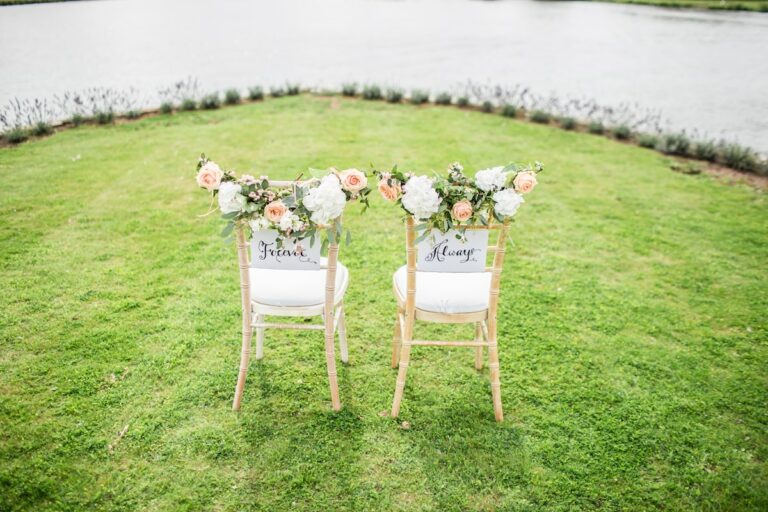
A cutting garden is not a flower bed. It is not a border, not a display, not something designed to be looked at from the kitchen window — though you will look at it, constantly, because it is the most satisfying thing in the garden. A cutting garden is a production system: a dedicated patch, usually hidden behind the potting shed or tucked beside the vegetable plot, where flowers are grown specifically to be cut and brought indoors. The English cutting garden tradition, perfected over centuries in the walled gardens of country houses from Sissinghurst to Great Dixter, is the gold standard — and it is easier to achieve than you think.
The fundamental insight of the cutting garden is that flowers grown for cutting are treated differently from flowers grown for display. In a border, you deadhead to prolong flowering. In a cutting garden, cutting IS the deadheading. The more you cut, the more the plants produce. A dahlia that is picked every three days will produce three times as many blooms as one left on the plant. A sweet pea that is cut daily will flower for two months longer. The cutting garden rewards greed. It wants you to be ruthless.
The site
A cutting garden needs full sun — at least six hours a day — and shelter from wind. It needs good soil, improved with as much organic matter as you can spare, because the plants will be working hard. It needs to be near a water source, because you will water it more than the rest of the garden. And it needs to be somewhere you can access easily, even in slippers, because the whole point is that you walk out before breakfast with scissors in hand and come back ten minutes later with an armful of flowers.
The classic English cutting garden is laid out in rows, like a vegetable plot, for ease of access and maximum productivity. Rows should run north-south so that plants on both sides get equal light. Paths between rows should be wide enough for a wheelbarrow and a kneeling gardener — about three feet. If this sounds more like farming than gardening, that is because it is. The cutting garden is a farm for flowers, and it should be treated with the same unsentimental efficiency.
January to March: The bulb vase
The cutting year begins in the darkest months, and it begins indoors. Paperwhite narcissus, forced in shallow bowls of gravel, will flower in six weeks from planting and fill a room with their sweet, slightly peppery scent. Early narcissus — ‘February Gold’, ‘Rijnveld’s Early Sensation’ — will bloom outdoors in late winter if planted in a sheltered spot. Snowdrops, picked in tiny bunches and placed in a shot glass or an egg cup, are the first flower you will cut from the garden itself. Hellebores, the Christmas rose, need to have their stems seared in boiling water for thirty seconds to stop them wilting, but they will last two weeks in a vase. These are the months of small vessels and close observation — a single stem in a bud vase on the kitchen windowsill is enough, and it is everything.
April and May: The tulip moment
April is when the cutting garden wakes up properly. Tulips are the main event — not the neat hybrid tulips of the park bedding scheme but the extravagant, blowsy, fringed and parrot varieties that look like they belong in a Dutch still life. ‘La Belle Epoque’, ‘Black Parrot’, ‘Angelique’ — these are tulips that change colour as they age, that twist and arch in the vase, that drop their petals in a magnificent, theatrical heap on the third day. Crown imperials, with their strange, almost prehistoric presence, add architecture. The first ranunculus appear, their layers of tissue-paper petals unfurling over several days. This is also the moment of the biennials — forget-me-nots, wallflowers, sweet william — which you sowed the previous summer and which now reward you with clouds of tiny, scented flowers that make any arrangement feel more generous.
June to August: The peak
The cutting garden in high summer is almost too much. Roses — the old shrub roses and the English roses, not the hybrid teas — produce wave after wave of bloom. Sweet peas climb their supports and need cutting every other day. The first dahlias open in July and will keep producing until the first frost if you keep cutting them. Cosmos, the most obliging of all cut flowers, produces clouds of airy, daisy-like blooms on long, slender stems. Zinnias bring saturated colour — magenta, scarlet, orange, lime green — in a form that lasts two weeks in the vase. Ammi and orlaya, the umbellifers, provide the frothy white filler that makes every arrangement look professional. Scabiosa, with its pincushion centres, adds texture. Eryngium, the sea holly, brings steely blue and a sculptural presence. Sunflowers, if you have the space, bring pure joy.
This is the season of the generous, blowsy arrangement — the kind that looks like a Dutch flower painting, with stems spilling over the edge of the vase and a sense of barely-contained abundance. The rule for arrangements in this season is simple: use more than you think you need, and then add a few more stems. A cutting garden in August is a garden that is trying to give you everything at once. Let it.
September and October: The seed-head months
As the flowers slow down, the seed heads take over. Sedum, with its flat heads of dusty pink, is the perfect autumn flower. Grasses — panicum, pennisetum, stipa — catch the low autumn light and add movement to an arrangement. Rudbeckia and helenium keep the yellow and orange going long after the dahlias have started to fade. The last dahlias, deeper in colour than the summer ones, are the most precious of the year — each one might be the last. Hydrangea heads, left on the bush to dry naturally, turn papery and translucent in shades of green, pink, and burgundy. They will last for months in a vase without water. Rose hips, crab apples, and branches of cotoneaster add berries and structure.
November and December: The winter vase
The cutting garden in winter is not dead — it is dormant, and the distinction matters. What you cut now is not flowers but structure: branches of holly with berries, ivy trailing from trees, the bare, architectural stems of cornus in red and orange and yellow. Dried seed heads — poppy, nigella, honesty — saved from autumn, arranged in a heavy stoneware jug. Sprigs of rosemary and bay, which you would be cutting for the kitchen anyway, can fill a small vase and scent a room for a week. The winter vase is not about abundance but about presence: a few things, well chosen, arranged with restraint. It is a reminder that the garden is still there, even when it looks asleep, and that something beautiful can always be brought indoors.